
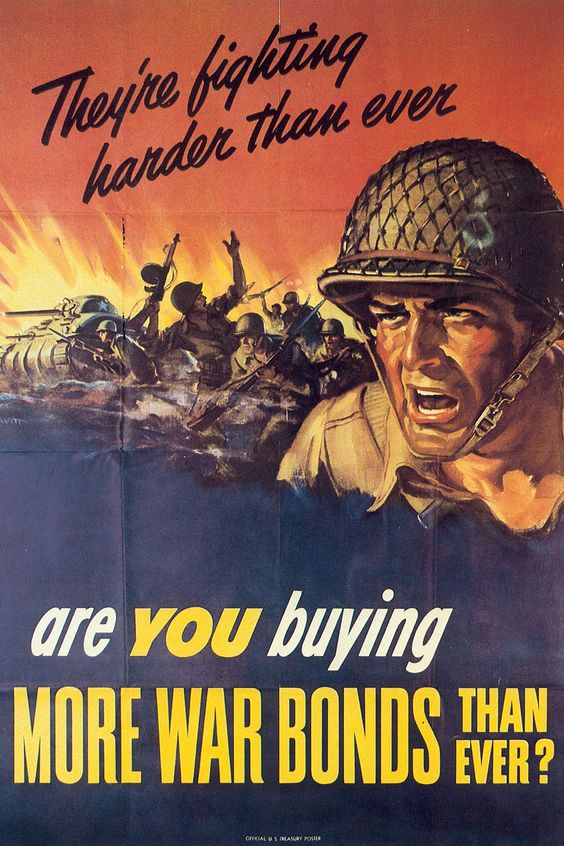
Victory. Everyone knew it would come sometime. The Allies just didn’t expect the war to end when it did, at least not in the Pacific.
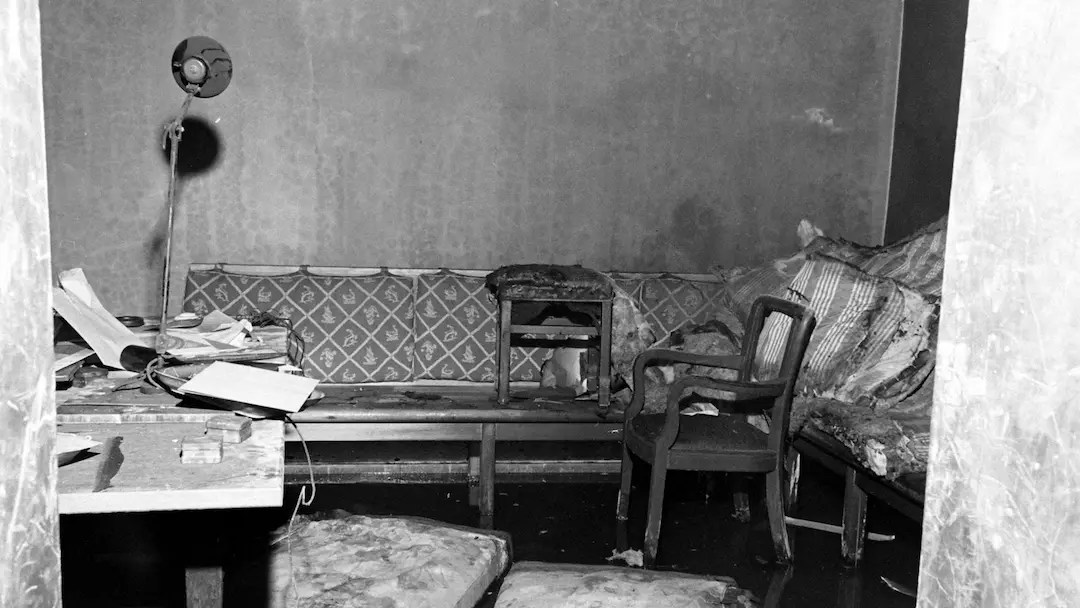
To be sure, there were clues, especially in Europe. The Battle of the Bulge is commonly thought to be the Nazis’ last-ditch effort to gain back their stolen ground, but Germany’s higher-ranking officers realized the Nazis were doomed as early as the summer of 1944. Once the Allies began liberating the concentration camps and pushing farther and farther into Germany, it was only a matter of time before the end came. When Hitler and his mistress-turned-wife Eva Braun committed suicide in Hitler’s bunker on April 30, 1945, the Nazis were finished. Eight days later, Germany surrendered.
People were jubilant, of course, but it also must have felt so surreal. So much had happened. So much loss of life. So many atrocities. So many betrayals. So much boasting on the part of Hitler and the Nazis of their self-styled superiority. They were going to conquer the whole world.
And then Adolf Hitler, that supposed tower of strength and god unto himself took his own life like any other human being is capable of doing when they have fallen into despair and see no way out. In Hitler’s case, suicide was also an act of profound cowardice and narcissism.
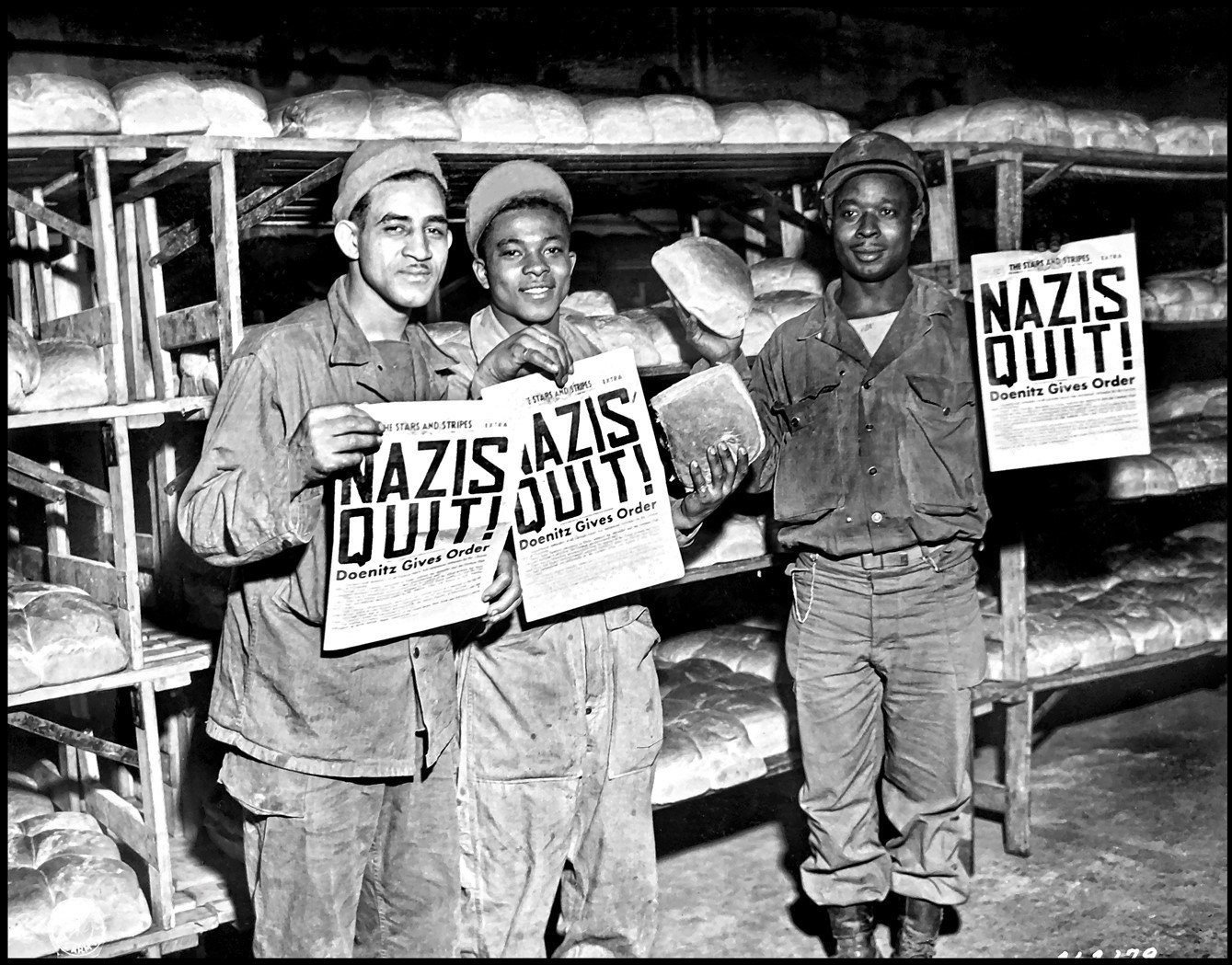
Naturally, people had questions about what would happen next. Norman Corwin echoed many of these questions in his hour-long radio show, “On A Note of Triumph,” which was broadcast on May 8th, 1945 and narrated by Martin Gabel, with the music conducted by Bernard Hermann. The show was so popular that there was a repeat performance on May 13th, an album released by Columbia Records, and a printed and bound transcript.
In the last months of the war, Americans were enjoying a variety of entertainment in the theaters. although war pictures were still very much a part of the schedule. Among the choices to be had, Humphrey Bogart starred in Conflict, about a man who’s in love with his sister-in-law. Gene Kelly and Frank Sinatra danced attendance on Kathryn Grayson in the classic Anchors Aweigh. Burgess Meredith played the brave and doomed war correspondent Ernie Pyle in Story of G.I. Joe. Barbara Stanwyck entertained Dennis Morgan in Christmas In Connecticut. John Wayne sort of recreated General MacArthur’s famous wade in Back To Bataan. The future Mrs. Roy Rogers played opposite the future Fred Mertz in the lightweight-but-fun Hitchhike To Happiness. And in an installment of the Inner Sanctum movie series, Lon Chaney, Jr. starred as a mentalist who hangs out in a wax museum with his fiancee in The Frozen Ghost.
Meanwhile, the war wound down. Once Europe was won, eyes turned to the Pacific and Japan, where the Japanese were stubbornly holding out despite MacArthur having returned to the Philippines and the Allies taking back the islands held by Japanese forces.
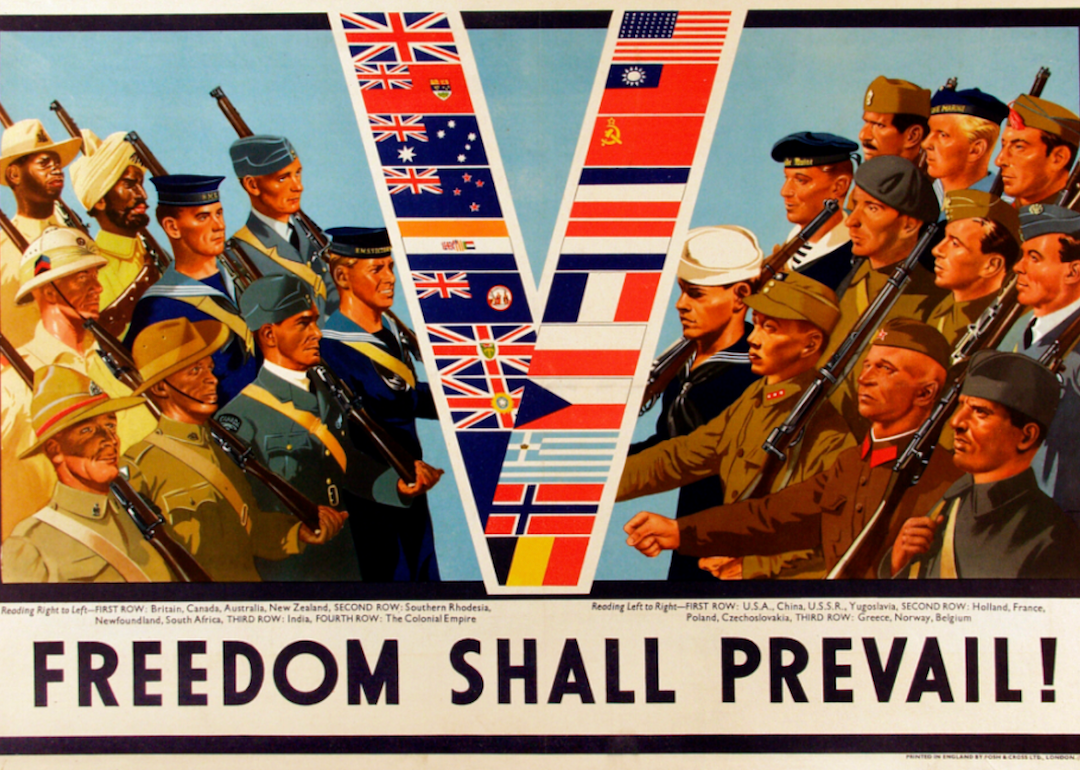
Everything lay, obviously, with landing on Japan’s home islands, and to that end, the United States was preparing for Operation Downfall. A full-scale land invasion of Japan, Operation Downfall was expected to take another two or possibly three years, with the war ending in 1947 or 1948.
While there was tremendous secrecy surrounding Operation Downfall, it didn’t stop Japan from guessing. The Japanese knew the United States was planning another amphibious invasion and estimated the attack would start in the fall of 1945 or the spring of 1946. They were right. The first phase of the attack, Operation Olympic, would have taken place in November of 1945 and the second, Operation Coronet, was planned for March of 1946.
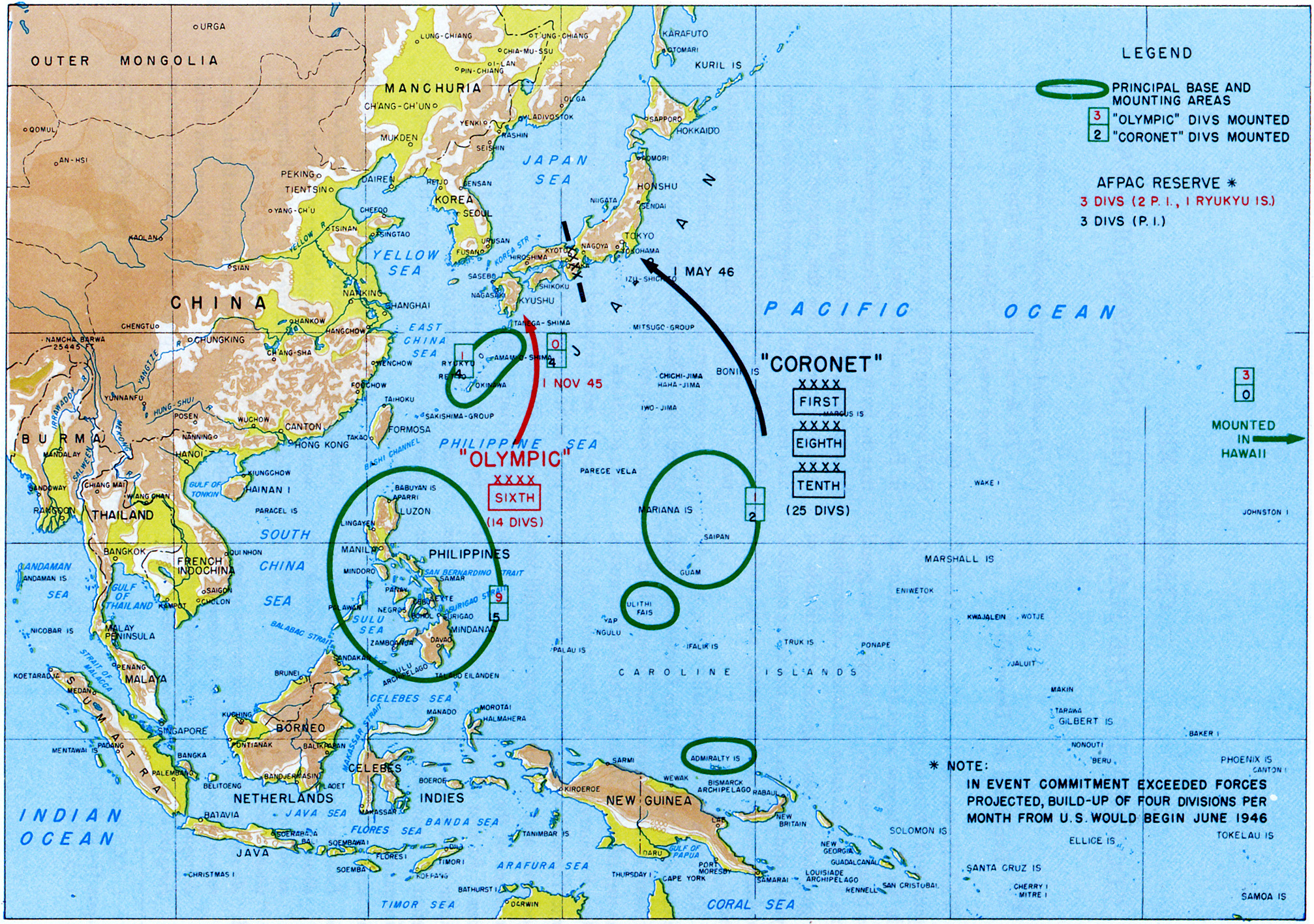
Charlton Heston was one of the Army personnel training for Operation Downfall, and when the atomic bombs were dropped on Hiroshima and Nagasaki on August sixth and eighth, respectively, he felt both shock and relief:
They dropped two bombs, and the dreary, endless, bloody mess was finished at last. In two days the Japanese surrendered.
Yeah, I know. Indeed I know. The politically correct view is that the atomic bombs were inhumane, even a shameful atrocity. Never say that to any of us who were preparing for Operation Downfall. The two bombs on Hiroshima and Nagasaki killed 125,000. Invading Japan would’ve cost millions of lives, most of them Japanese. (Heston, In the Arena, pgs. 58-59)
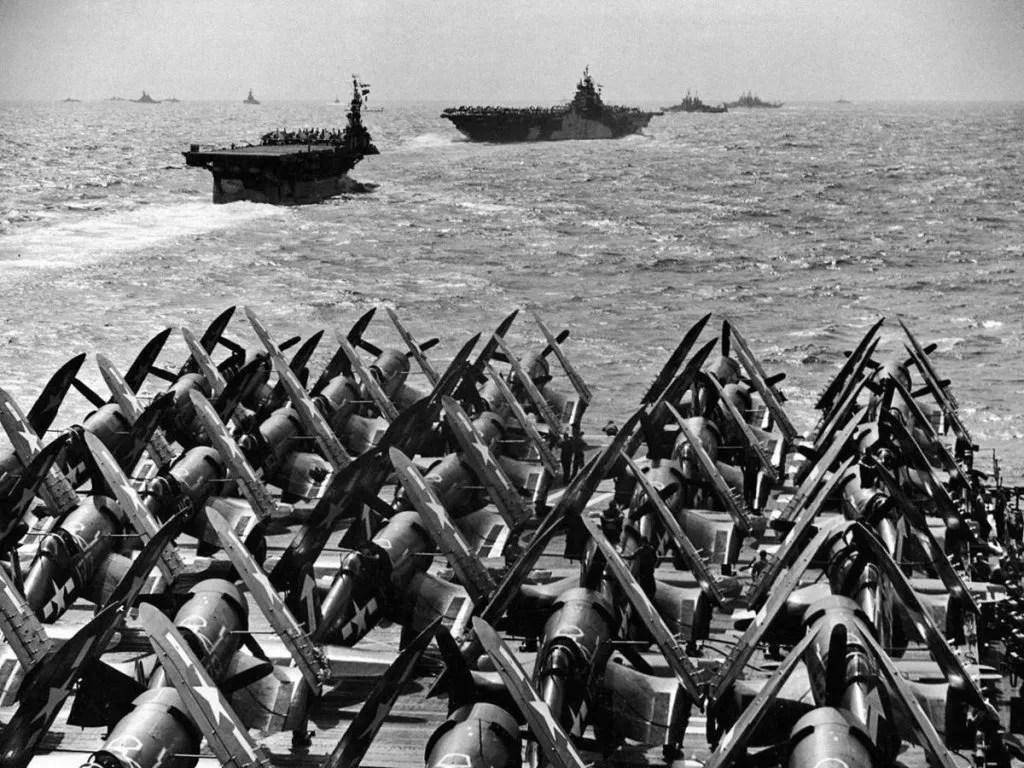
Not everyone was as positive. While the prevailing sentiments seemed to be that of shock and relief similar to Heston’s, there was also fear and trepidation at what had been wrought. We had stepped into a new era and a great responsibility had been laid on mankind which also could mean certain doom.
The Army Air Force released a radio program about the immediate aftermath of the bombing as part of its Fighting AAF series, broadcast on August 12, 1945:
Naturally, there was also a bit more looking ahead to peacetime and solemnity about what had happened over the past several years. To commemorate the end of the war, Orson Wells recorded a tribute to the servicemen and what it was going to be like for them to come home. It was broadcast on August 14, 1945.
People turned out to celebrate as well, of course. Four days after Japan formally surrendered on September 2, 1945, Command Performance put on an extra-special, extra long program looking back at some of the show’s greatest hits from the war years, plus quite a variety of additional numbers and readings.
Among the various great performances are Bing Crosby singing “San Fernando Valley,” Jose Iturbi playing Chopin’s “Polonaise in A-flat,” and Marilyn Miller singing “I’ve Got Rhythm.”
While the war might have been over, switching back to a peacetime existence wasn’t so simple, but that’s another topic for another day.
The Norman Jewison Blogathon is coming up on Friday. Thanks for reading, all, and I hope you’ll join us. Have a good one…
Conflict (DVD), Anchors Aweigh (DVD and Blu-ray), The Story of G.I. Joe (streamed on Prime), Christmas In Connecticut (DVD), Back To Bataan (DVD), and The Frozen Ghost (DVD) are available to own from Amazon.
~Purchases made via Amazon Affiliate links found on this site help support Taking Up Room at no extra cost to you.~
If you’re enjoying what you see on Taking Up Room, please subscribe to my Substack page, where you’ll find both free and paid subscriber-only reviews of mostly new and newish movies, documentaries, and shows. I publish every Wednesday and Saturday.
Bibliography
Heston, Charlton. In the Arena. New York: Simon and Schuster, 1993.
 Taking Up Room
Not sure if you have my link.. for Day 1 of the blogathon
LikeLike