
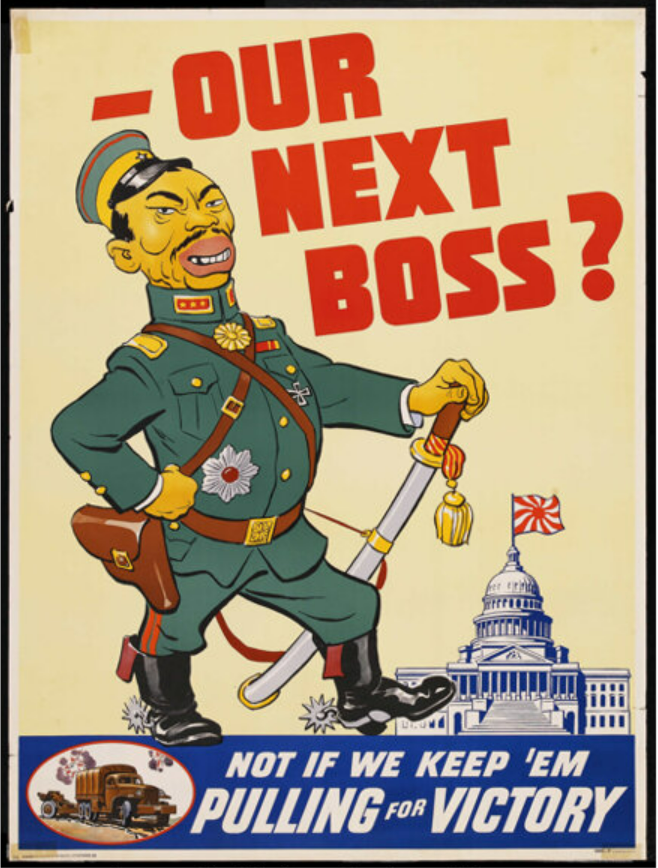
What if, God forbid, the Axis had won? It’s safe to say that no one liked thinking about that too much. However, the possibility was always in the background waiting to rear its terrifying head. It didn’t help that at the beginning of the war we were finding Japanese subs on America’s west coast, or that German U-boats were sinking ships in the Atlantic.
Naturally, Hitler was delusional enough, at least at first, to believe that conquering the United States was a very real possibility.
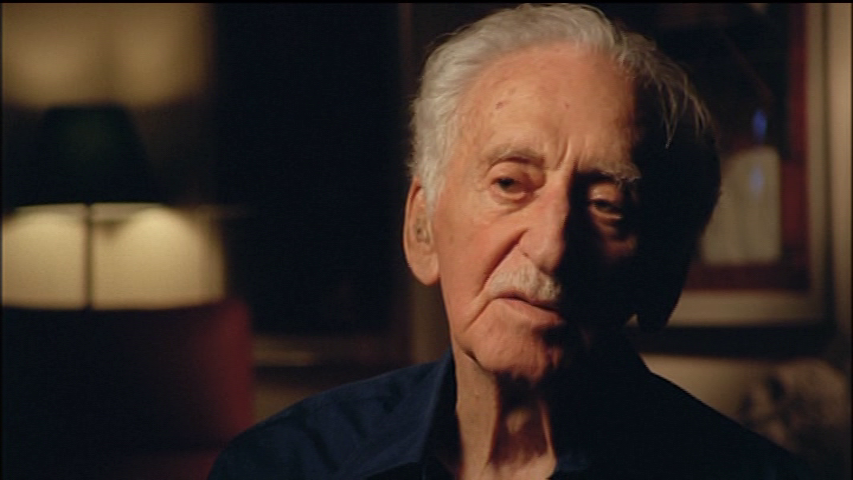
In Episode Six of Ken Burns’ 2007 miniseries, The War, medic Ray Leopold shared a rather unsettling encounter he had with a German prisoner of war:
“…A young man of approximately twenty-four years of age turned to me, and in a voice completely accent-free, said, ‘Where are you from?’
I said, ‘I’m from the United States.’
‘Where in the United States?’
‘The Northeast,’ I said. ‘…I’m from Waterbury, Connecticut.’
‘Ah yes,’ he said, ‘Waterbury, at the junction of the Naugatuck and Mad Rivers.’
Now, you have to know a bit about the area. The Naugatuck is a fairly substantial river, but the Mad River is a little stream that you can jump across without any trouble. Anyone who knew this…I was puzzled.
I said, ‘How did you possibly know that?”
He said, ‘I was in training for the administration.’
‘The administration of what?’ I said.
He said, ‘The administration of the territories.’
My blood ran cold. I couldn’t imagine that Hitler, in his wildest imagination, not only had figured he practically had Europe in his grasp, but he also figured that he would control America, too.”

Some tried to put a stiff upper lip on the idea of losing the war. The September, 1942 issue of Good Housekeeping ran an article entitled, “The Instinct For Happiness,” written by Countess R.G. Waldeck, which said,
“I should want my daughter to be familiar with the great events and figures of history. A young mind which understands that life went on after Rome fell and that nothing remains of Alexander but the legend of a dazzling young world conquerer, develops a philosophically detached and intelligent concern with the present–and that seems to me highly desirable.” (Good Housekeeping, September 1942, pg. 26)
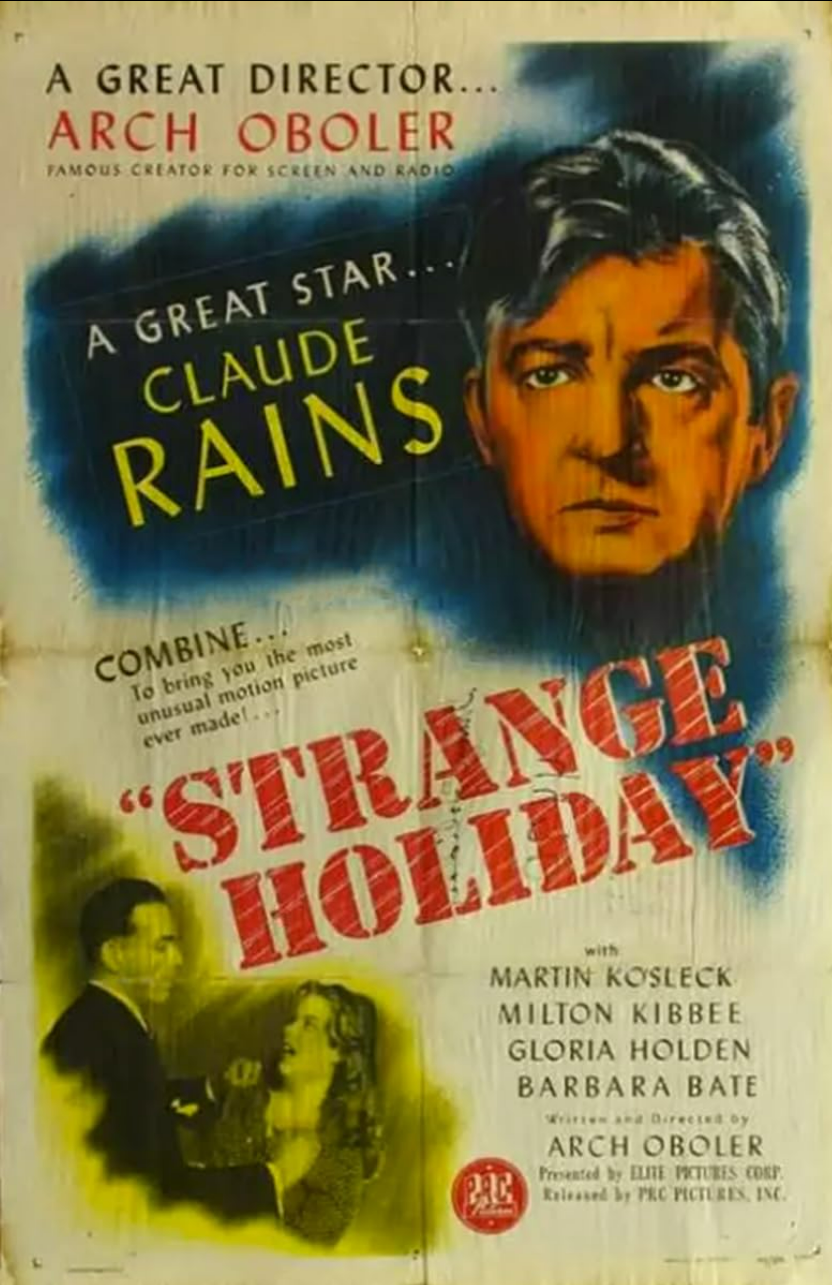
Others peeked into the abyss. Famed radio playwright Arch Oboler wrote and directed an hour-long film, Strange Holiday, which was released in the United States on September 2, 1946, a year to the day that Japan signed the formal Instrument of Surrender in Tokyo Bay.
It all opens with John Stevenson (Claude Rains) sitting forlornly in a jail cell longing for his family. We then flash back to the last Christmas, when his kids are delegating who’s going to hang what on the Christmas tree and Dad’s taking tons of photos. Mom Jean (Gloria Holden) is asleep, and the rest of the family wants to surprise her with a beautifully-decorated tree.
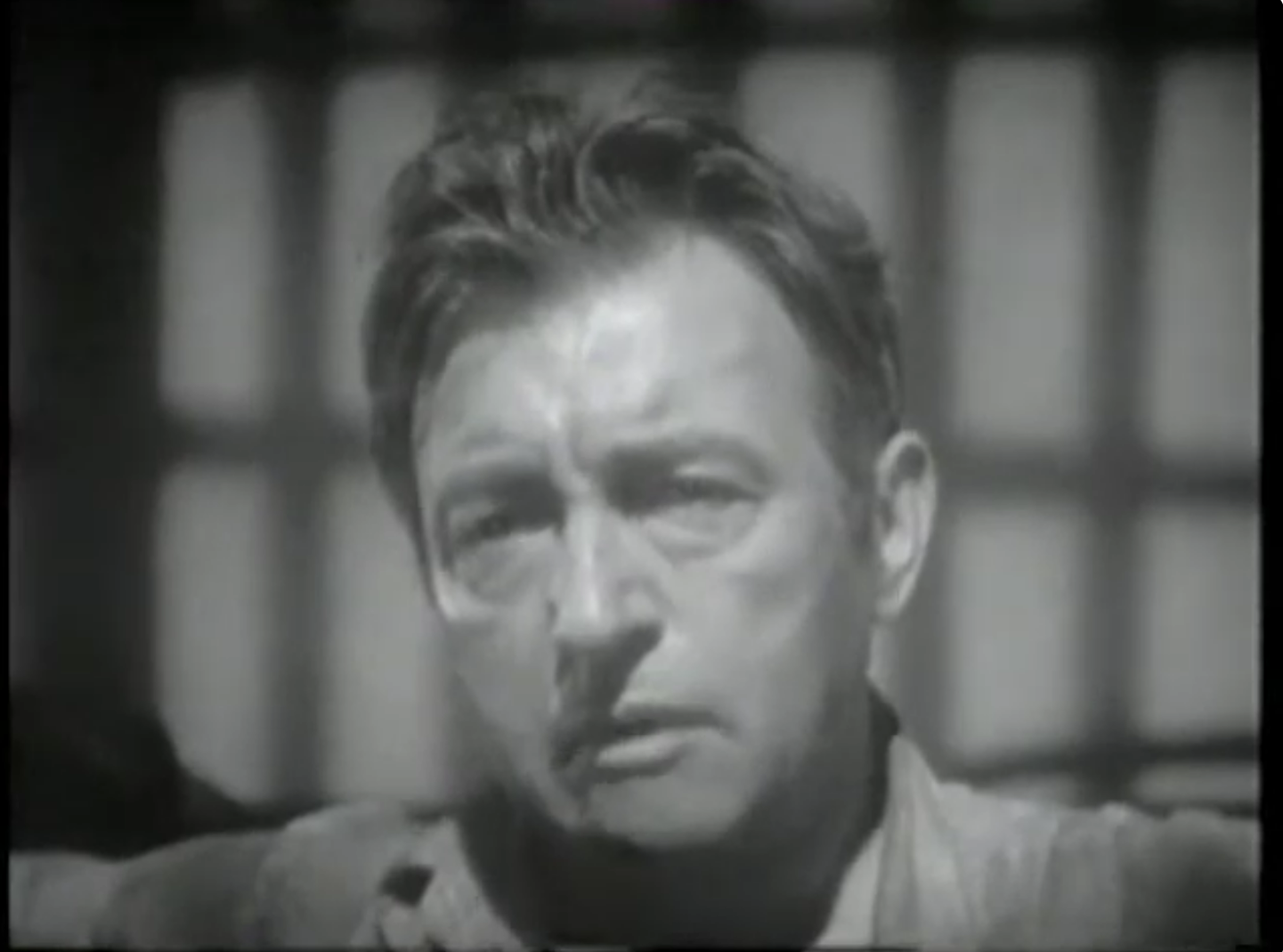
The Stevenson house is happy, but John does a lot of complaining. While on a fishing trip with his friend from work, Sam (Milton Kibbee), he vetoes the idea of coming home, despite the fact that the fish aren’t biting and the other matter of Sam’s boredom. John just wants to take a nap. When Sam mentions that it’s the thirteenth, John pops up and is suddenly in a huge rush to get home. It’s his wedding anniversary.
For some reason these guys chose to fly to their vacation, and on the way back John and Sam have to make an emergency landing in a field. The farmer whose field it is is pretty mad. Everyone’s pretty mad, actually. When the guys hitchhike back into town the truck driver they catch a ride with looks ready to smack someone.
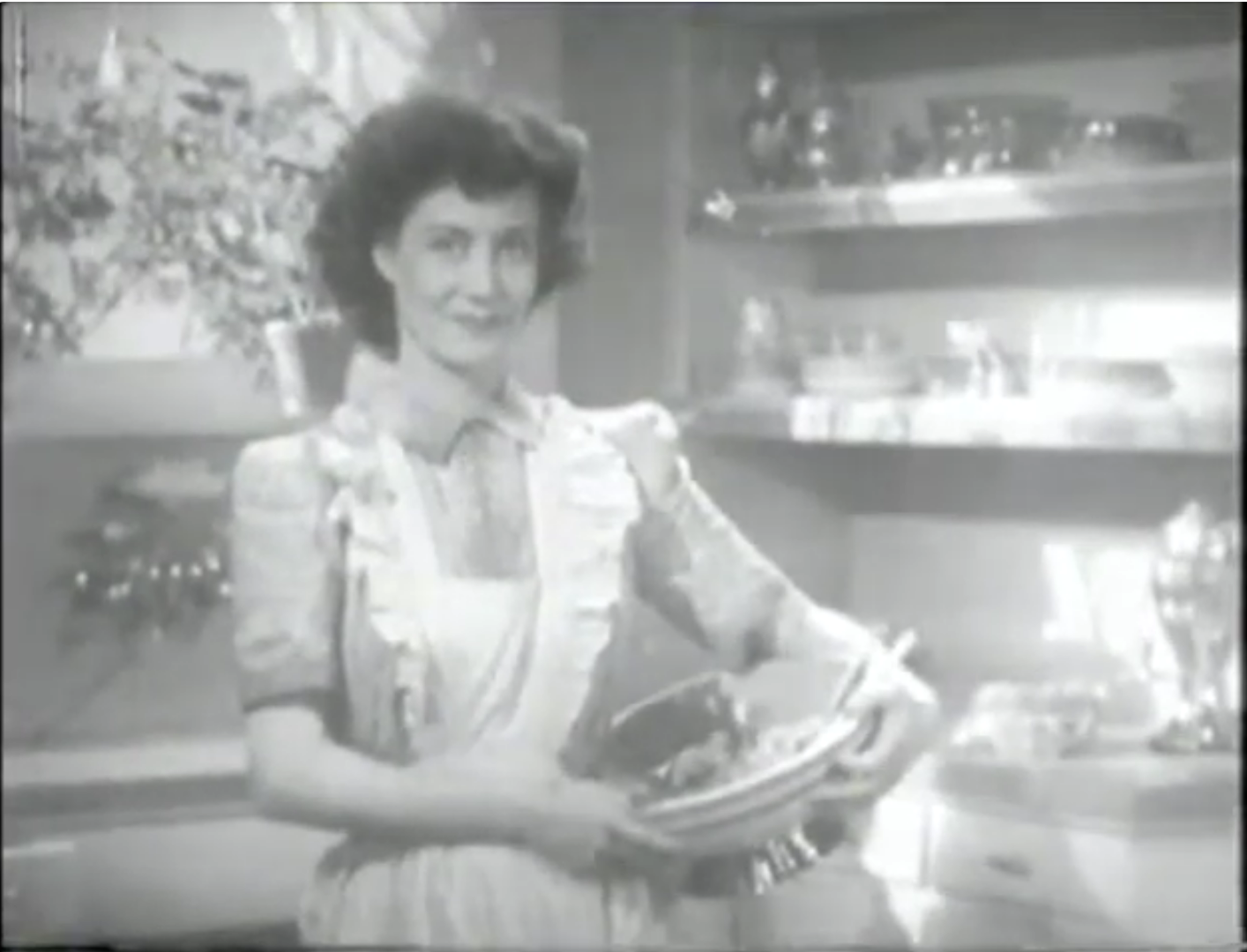
Throughly confused, John and Sam try asking around, but things just keep getting weirder. John goes to the office to find it deserted. His secretary won’t talk to him. No one will tell him what’s going on. Finally he goes home, only to be picked up by a couple of what seem to be hoodlums. Their boss, who sports a pronounced German accent, interrogates John before having him beaten and thrown in a jail cell.
After what feel like too many torturous minutes, during which we figure out that the United States has suddenly fallen to fascism and John has lost everything, we’re suddenly back at the campsite, where John wakes up and finds out it was all a dream. Sam is still bored, though, and it’s still John’s wedding anniversary.
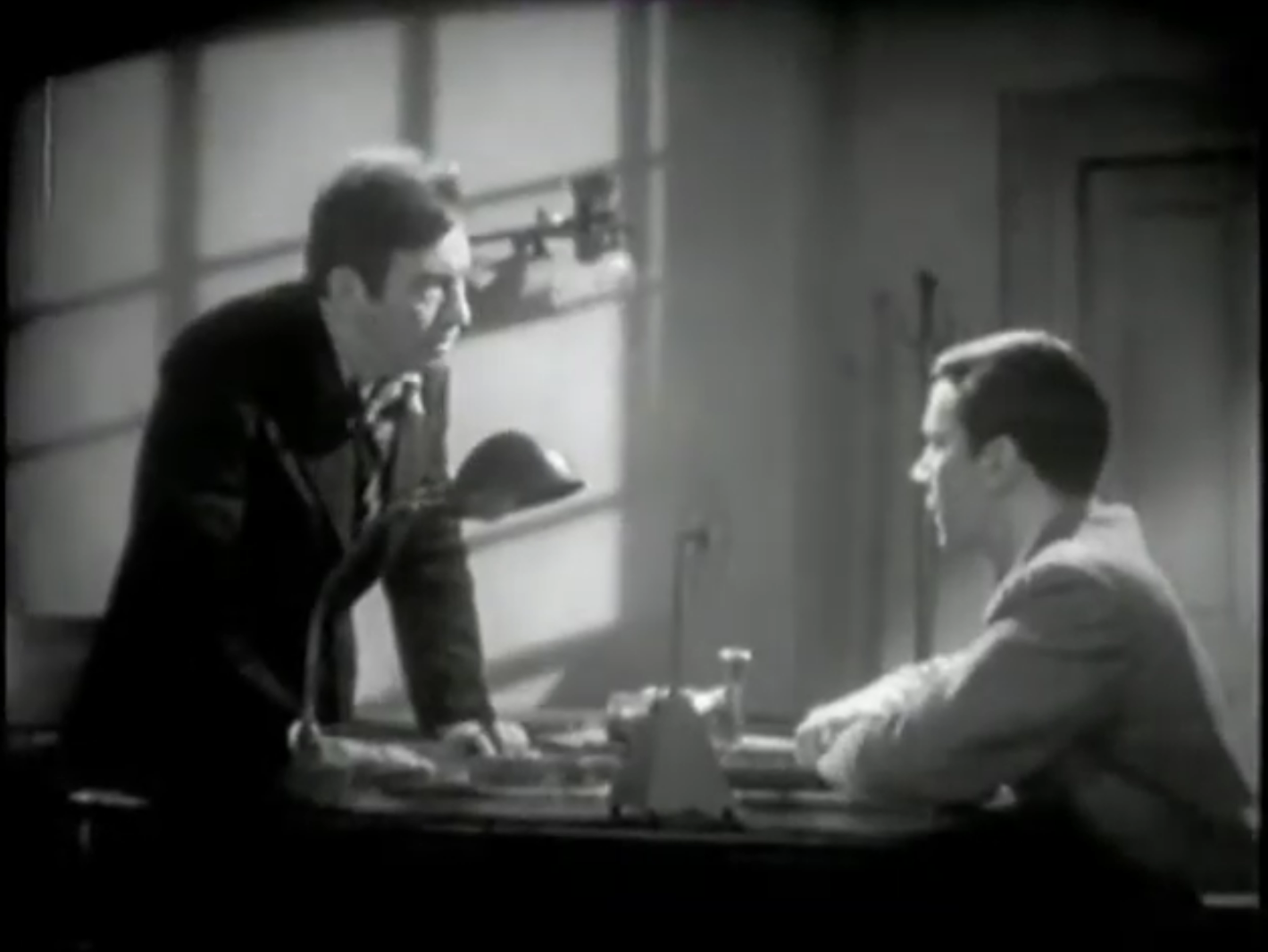
I say, “torturous” not to make fun of the movie, but because there’s a restrained horror to it. Almost too restrained. We might peek into the abyss in Strange Holiday, but not enough to really make an impression.
That’s because Strange Holiday isn’t so much a movie as a radio play with video attached to it. It was originally based on Oboler’s 1939 radio play, This Precious Freedom and has a lot of familiar names from Oboler’s radio work, such as Tommy Cook, a prolific actor in radio and film, Gordon Jenkins, who co-wrote the film’s music with Nat Finston, and Griff Barnett, a fixture in Oboler plays and radio in general. Also remarkable is that Robert Surtees, who would later become known as the “Prince of Darkness,” was the cinematographer.
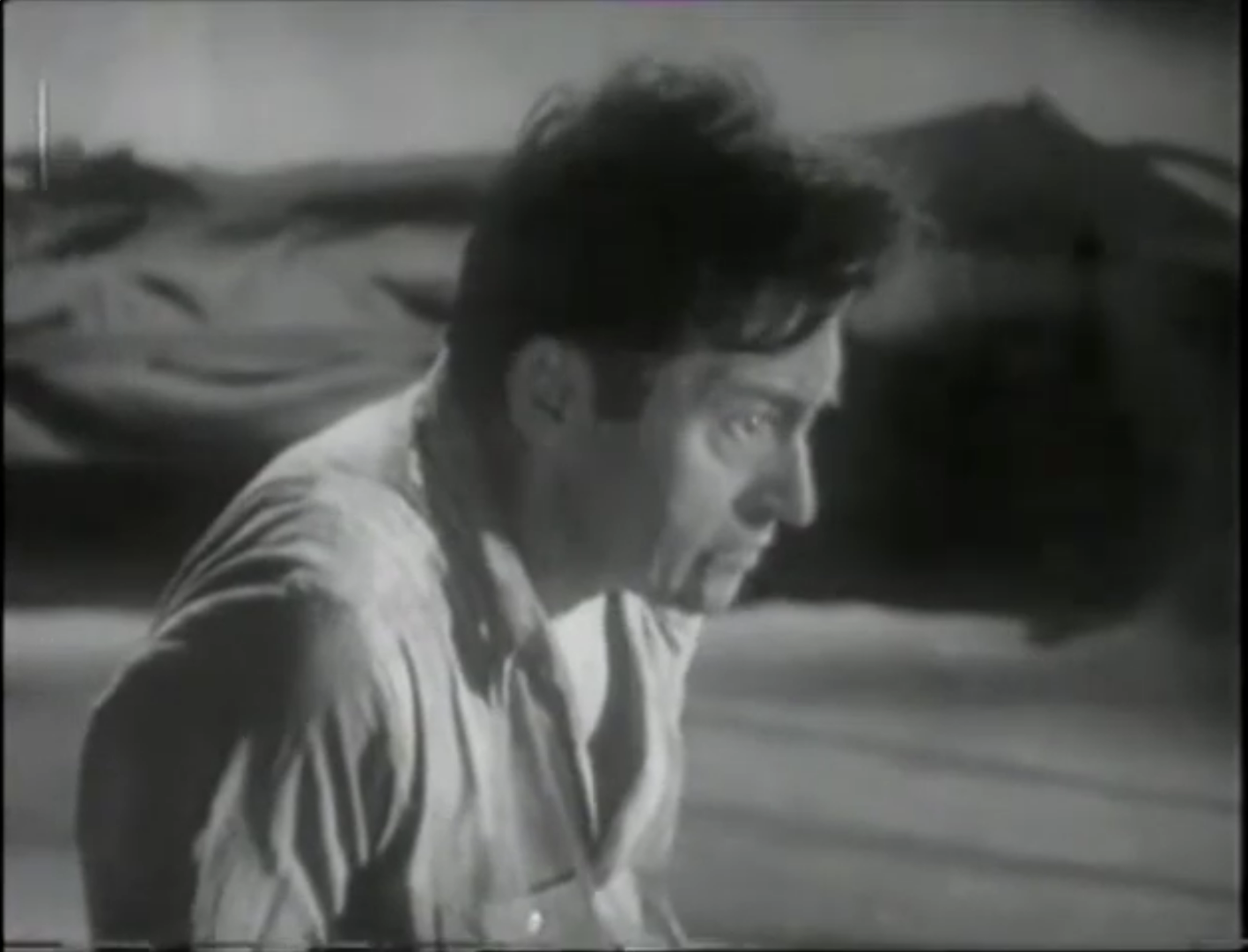
Unfortunately, Strange Holiday has the same flaw as a lot of Oboler’s other forays into visual media (Bewitched and Escape being exceptions), and that is Oboler’s dialogue style. It works fine for radio, but we don’t need visual cues in a visual media unless whatever we’re talking about is happening offscreen.
The other reason it doesn’t quite work is that it’s not clear what Oboler was really going for, although to be fair, it wasn’t his fault. General Motors, believe it or not, commissioned the film in 1940 as a morale booster to get their employees imagining what it would be like if the Axis took over and theoretically stop them from walking off the job.
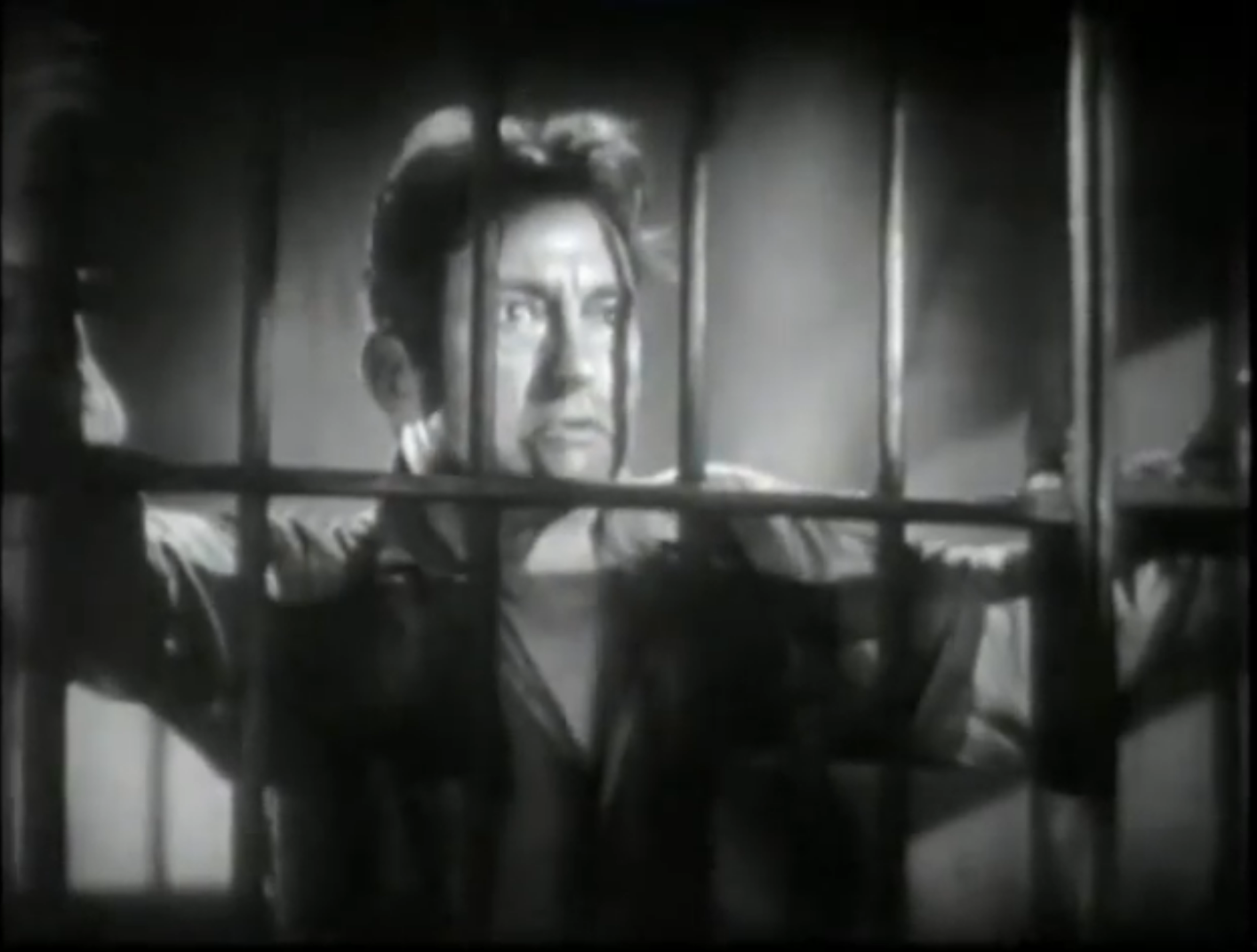
In the end, GM reneged, the film was bought by MGM and shelved, then Oboler and company expanded it into an hour-long film that played on limited screens. Everyone hated it, although Variety was charitable, but even they thought the film didn’t go far enough: “It’s pure propaganda aimed at winning the peace now that the war is over but poses no method of how it’s to be done…Oboler’s direction is not always forte, but the subject matter is not too easy to get across. Heavy and lengthy dialog that falls to Rains keeps general pace slow with little interest around.”
Strange Holiday was almost immediately forgotten and is extremely hard to find today. There’s no DVD release. No Blu-ray. No fuzzy YouTube transfer, at least not in one piece, and what’s there looks as if it came from a very old VHS copy. Internet Archive had it, but they’re having trouble at the moment, so that’s out. Nobody has missed it in the last almost-eighty years. The wartime American public didn’t want to entertain the idea of conquest by the Axis, and once the war was over, the concept was ridiculously moot. We came, we saw, we kicked tail, and we were going to enjoy it.
Another post is coming out on Friday. Thanks for reading, all, and I hope to see you then…
Strange Holiday is available on YouTube. The War (DVD and Blu-ray) is available from Amazon.
~Purchases made via Amazon Affiliate links found on this site help support Taking Up Room at no extra cost to you.~
If you’re enjoying what you see on Taking Up Room, please subscribe to my Substack page, where you’ll find both free and paid subscriber-only reviews of mostly new and newish movies, documentaries, and shows. I publish every Wednesday and Saturday.
Bibliography
The War. Directed by Ken Burns, performance by Keith David. Florentine Films, 2007.
Waldeck, R.G., Countess. “The Instinct For Happiness.” Good Housekeeping, September 1942, pgs. 26, 161-162.
 Taking Up Room
This is an interesting oddity, not the least of which is that it was so delayed that its raison d’etre had evaporated. Arch Obeler’s movies are all curiosities of one sort or another because, as you point out, he was a creature of radio and was a bit out of his element in film. I was interested to see Martin Kosleck credited in the poster — he made a career out of portraying weaselly Nazis when he wasn’t doing Universal horror movies.
LikeLiked by 1 person
Yeah, it’s kinda too bad the movie’s so obscure even if it isn’t that good–just the novelty factor alone is a draw. And yeah, Koslek doesn’t have to work too hard here, lol.
LikeLike