
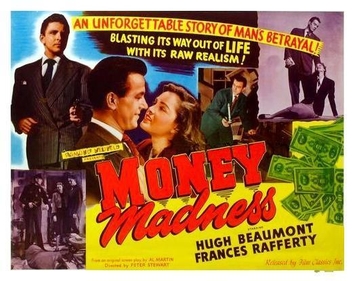
OK. It’s completely nuts to marry someone we’ve just met, right? Danged right it is. But that’s what Julie Saunders does in 1948’s Money Madness, a B-level indie thriller starring the future Ward Cleaver. No one seemed to have especially high hopes for this movie, but they gave it the old college try, anyway.
The movie opens with Julie (Frances Rafferty) being sentenced in court to ten years in prison. How did she get there? The movie then takes us back to when Steve Clark (Hugh Beaumont) comes to town on a Greyhound bus. He makes a beeline for the local bank, where he obtains a safe deposit box and loads it with wads of cash. Then he gets a job as a cab driver.
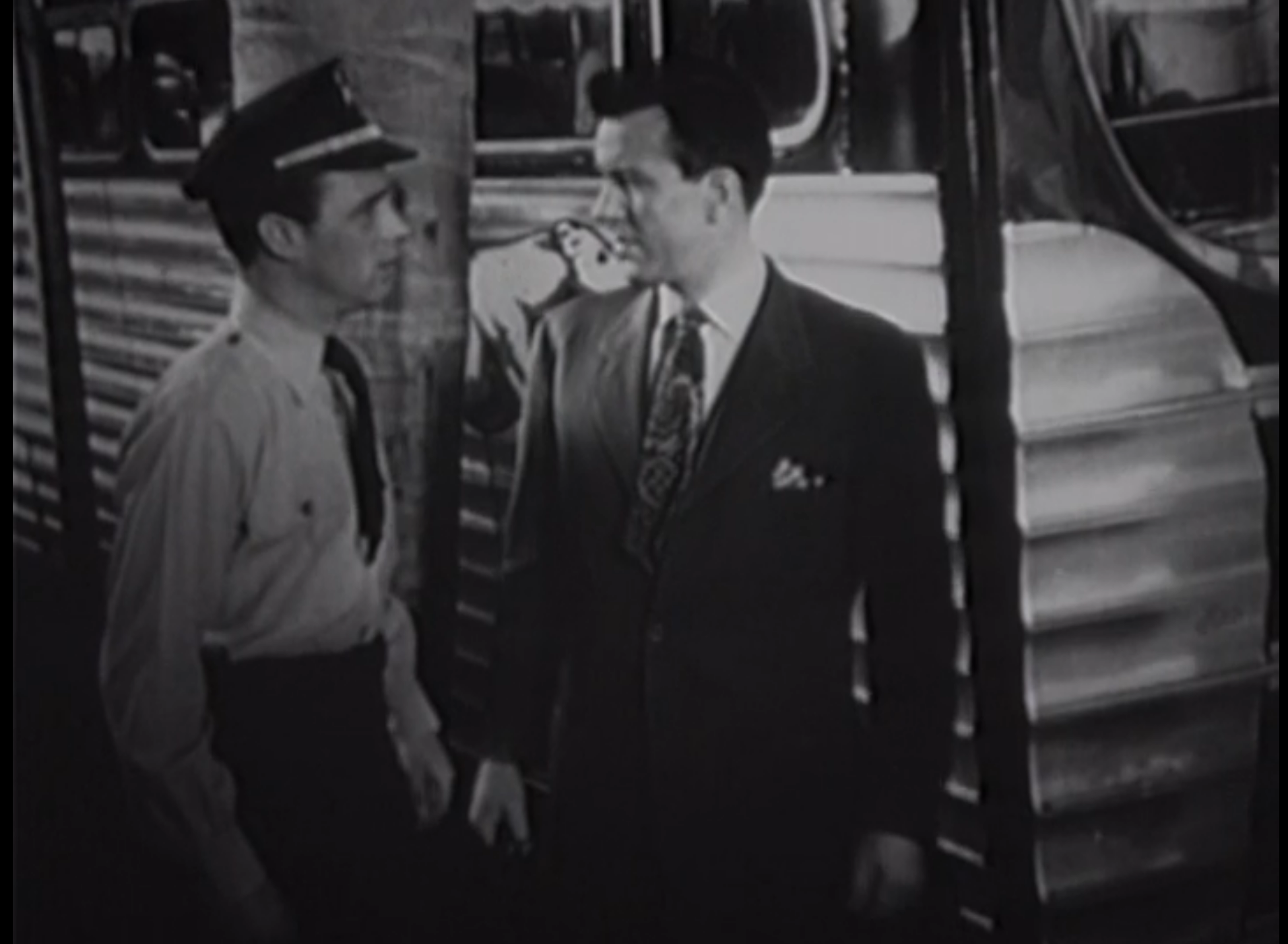
On what’s apparently Steve’s first night on the job, he picks up a guy and his date, who happens to be Julie, but when the guy insists Julie join him at his place, Julie insists on being taken home…in the opposite direction. Steve finally lets the guy out and tells him to find another cab, after which Steve and Julie have a cup of coffee.
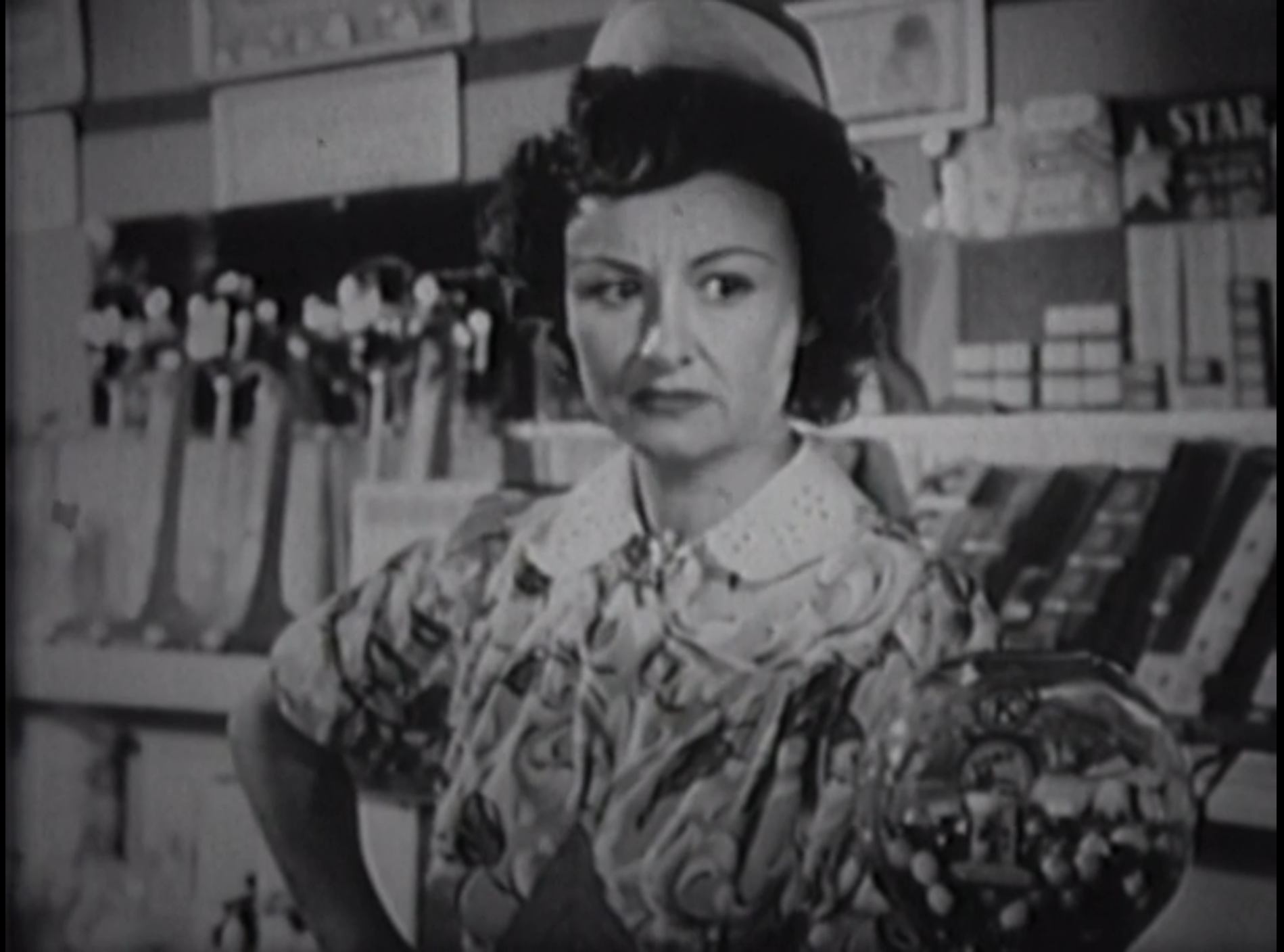
Things move at lightning speed for these two. When Steve takes Julie home, he plants a firm kiss on her, which horrifies and intrigues her at the same time. He comes by the soda fountain where Julie works and asks her out, much to the disappointment of Julie’s co-worker, Martha (Gladys Blake), who thinks Steve is pretty cute. The next day, after an uncomfortable episode with Julie’s ailing but selfish Aunt Cora (Cecil Weston) the night before, Steve and Julie get married. Yeah. After basically a day.
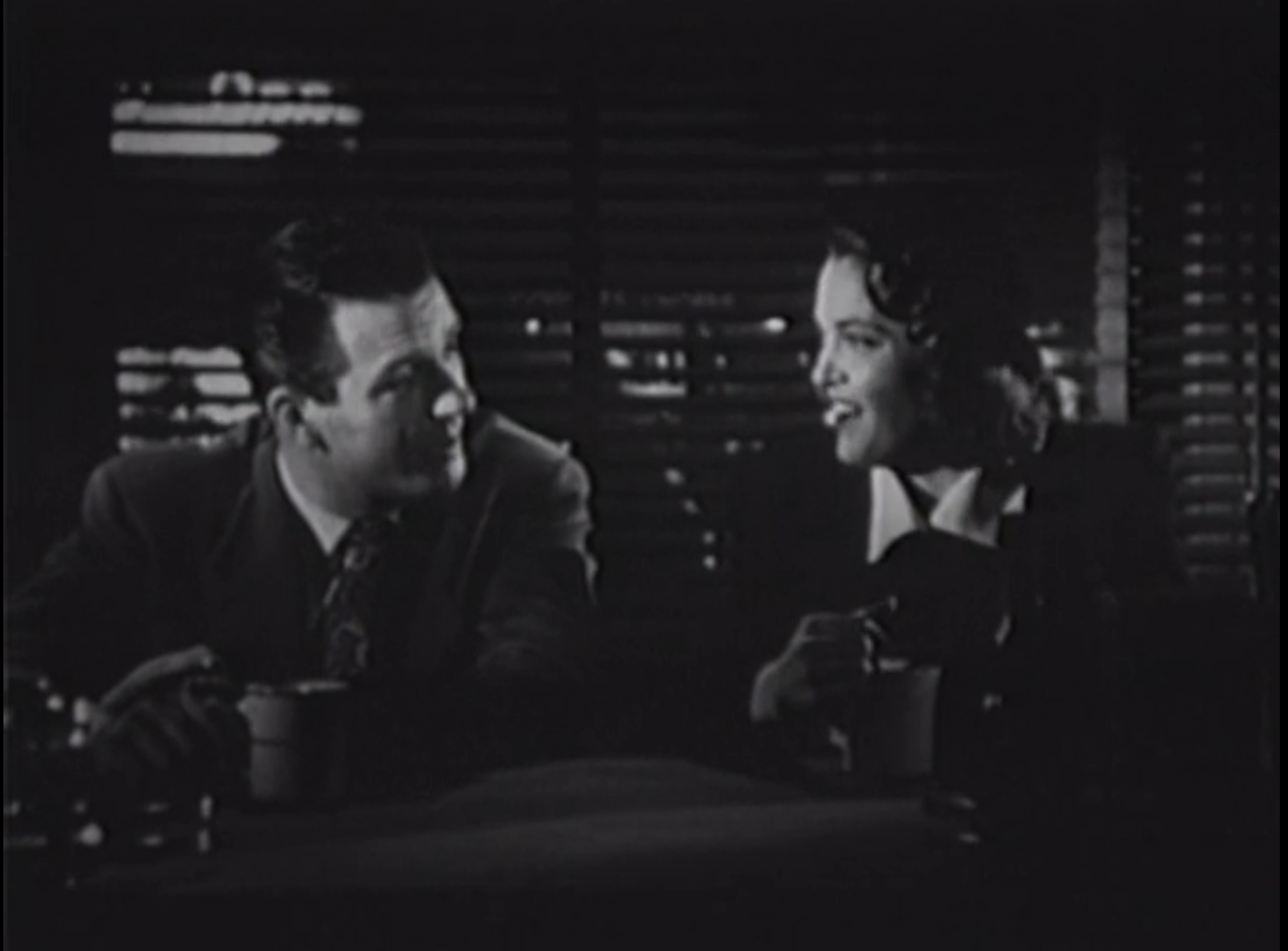
Julie’s overjoyed at first, but it’s short-lived. Steve tells her as they’re driving away from the judge’s office that he’s been married before, but he was divorced a year ago. Then he gets a call at his and Julie’s new apartment that his divorce isn’t final after all. Julie is crestfallen, but there’s nothing for her to do but move back into Aunt Cora’s house.
Steve comes to see her every day, and unbeknownst to Julie, sneaks poison into Aunt Cora’s cup of tea, and Aunt Cora is gone in a few days, leaving Julie to inherit Cora’s fortune. Steve, meanwhile, sneaks his money into the attic, where he hides it in a trunk. He’s got a scheme to get away with both his money and Aunt Cora’s but it’s going to take some doing.
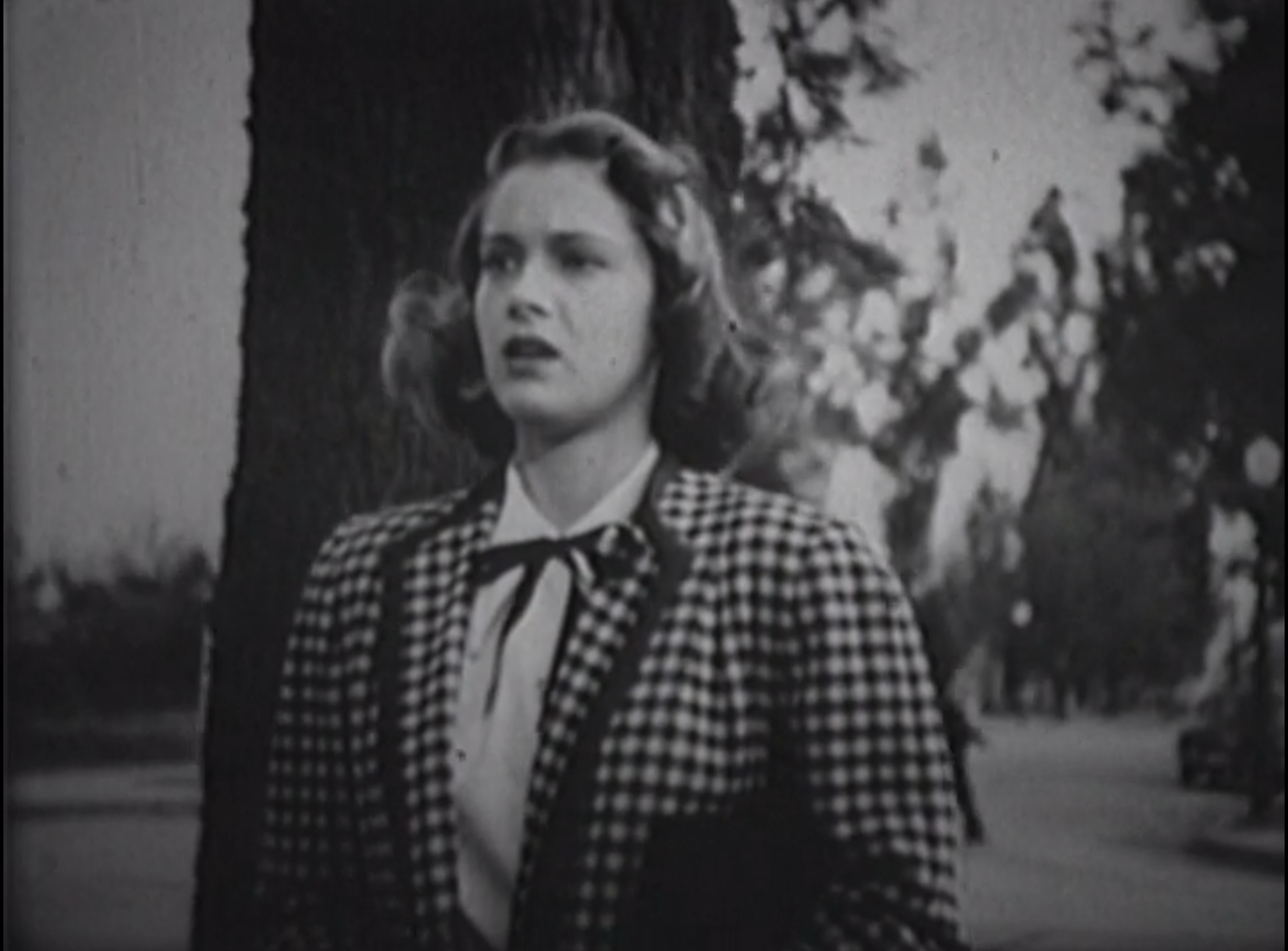
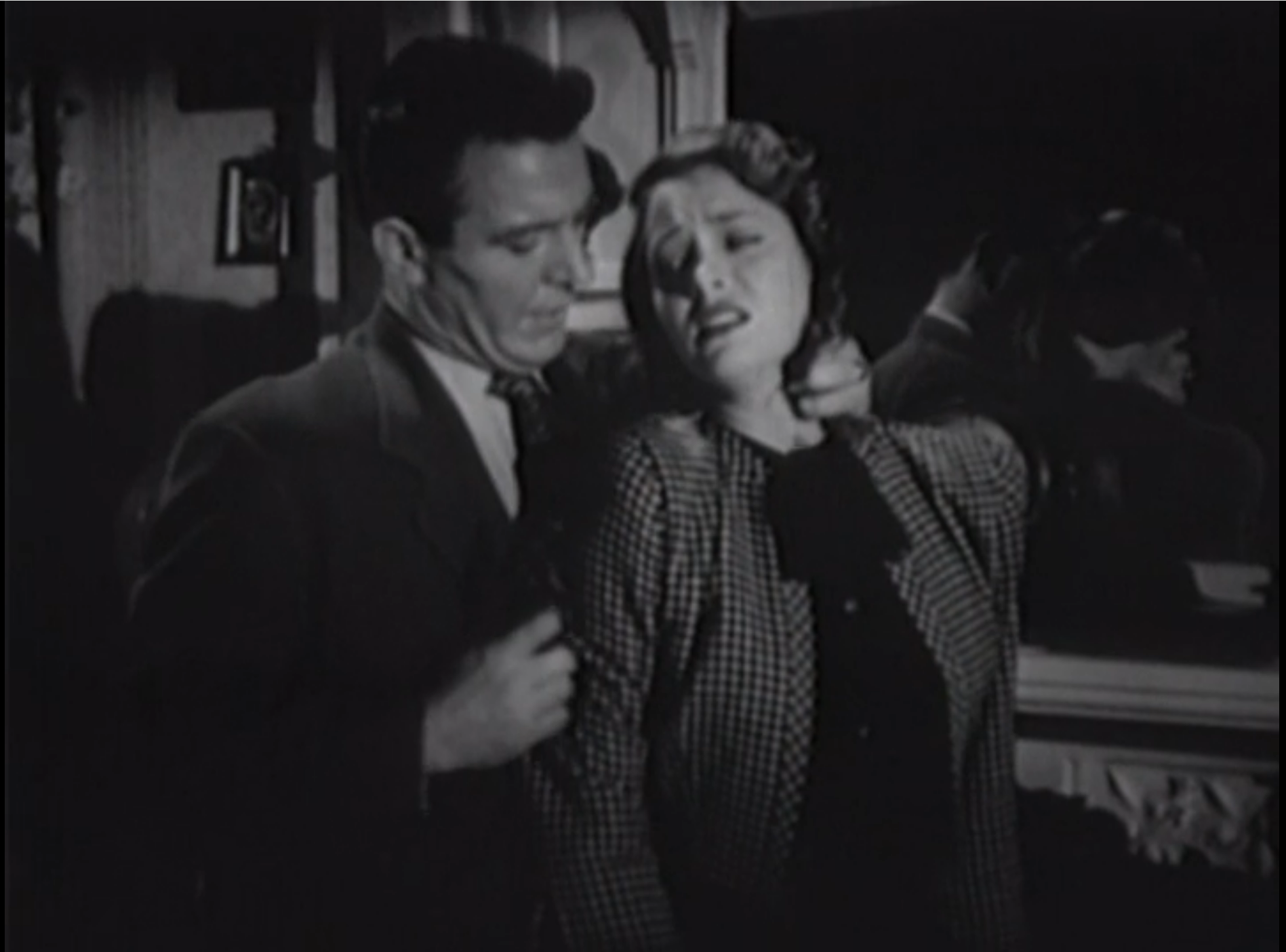
Meanwhile, it doesn’t take long for Julie to figure out she’s been had, but every time she tries to get away from Steve he corrals her with a nasty piece of blackmail. She can’t call the police about Steve poisoning Aunt Cora because Steve will just tell them Julie served her the tea. She can’t go out with anyone else because Steve is intensely possessive. Fortunately, Jack (Danny Morton), Julie’s lawyer, starts sniffing around because he’s honestly concerned about Julie and wondering what her situation is.
Naturally, Steve’s chickens come home to roost, and while there might be a lot of dodging and conniving on his part, he can’t escape the consequences of his actions. No matter how many people he shoots with the radio blaring to mask the sound of the gunshot.
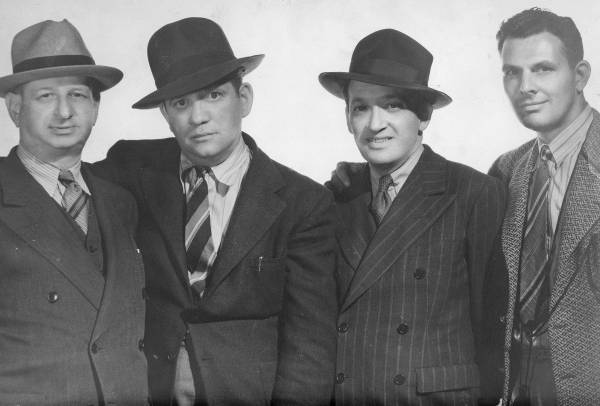
Money Madness was a Poverty Row film from the rather optimistically named Film Classics Studios, filmed in Canoga Park, California, and directed and produced by the Neufeld brothers, Sam and Sigmund, respectively, who also went by the name, “Newfield.” Money Madness was a pretty strong effort compared to most Poverty Row films, with a fair amount of meat to it.
Steve Clark was a different kind of part for Hugh Beaumont, who, admittedly had played in detective films before, but for us today, we naturally look at him and think of Ward Cleaver. In a way, that makes his con man act even more impressive.
Well, in most respects, anyway. I’m going to spoil the ending a little bit and I don’t care. Steve gets shot in the ending scene of the movie, and the last thing we see is Jack giving Julie a “There there, it’s all over,” hug.
This is where Movie Madness logically tanks in every way. How does Julie go from being sentenced to ten years in prison at the beginning of the film to the hug with Jack and nothing else? The guy who threatened to blackmail her is dead. She had been coerced into staying with him, so everything she did was clearly under duress. How would that net her a ten-year jail sentence? Not nice, Movie. Make it make sense, please.
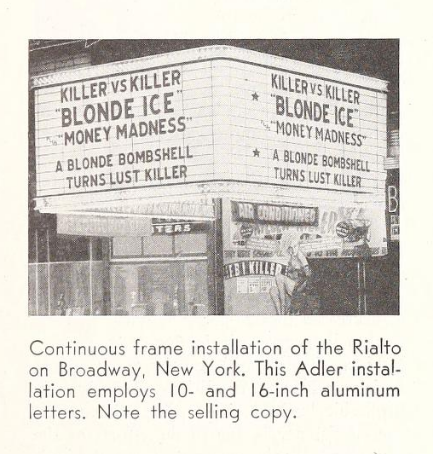
Maybe it was a good thing Movie Madness got the usual Poverty Row treatment of not a lot of publicity and even fewer reviews (read a couple here and here), although it did have pretty respectable distribution on the RKO circuit, sharing marquee space with Blonde Ice. The hoi polloi around the movie was very matter-of-fact, with a seeming contentment in letting Money Madness be the B-picture it was and everyone moving on with their careers. The minimal box office returns made this easy.
Hugh Beaumont wasn’t the only one to emerge from Money Madness unscathed. Frances Rafferty continued to rack up film credits until 1985’s Half Nelson, after which she lived to the ripe old age of eighty-one. Sigmund Neufeld made more westerns before retiring in 1964, although his son carried on his his place. Sam Newfeld continued making films as well, mostly westerns.
Money Madness has continued to linger in the public domain ether, not poisonous but not exciting, either, remaining mostly valuable as a vehicle for Hugh Beaumont and Frances Rafferty even if it does flatten itself in the end.
Another review is coming up tomorrow. Thanks for reading, all, and I hope to see you then…
Money Madness is available on DVD and is free to stream for Prime customers.
~Purchases made via Amazon Affiliate links found on this site help support Taking Up Room at no extra cost to you.~
If you’re enjoying what you see on Taking Up Room, please subscribe to my Substack page, where you’ll find both free and paid subscriber-only reviews of mostly new and newish movies, documentaries, and shows. I publish every Wednesday and Saturday.
 Taking Up Room
“Golly, Wally — look what Dad did!” xD
LikeLiked by 1 person
Right? LOL. 🙂
LikeLiked by 1 person