
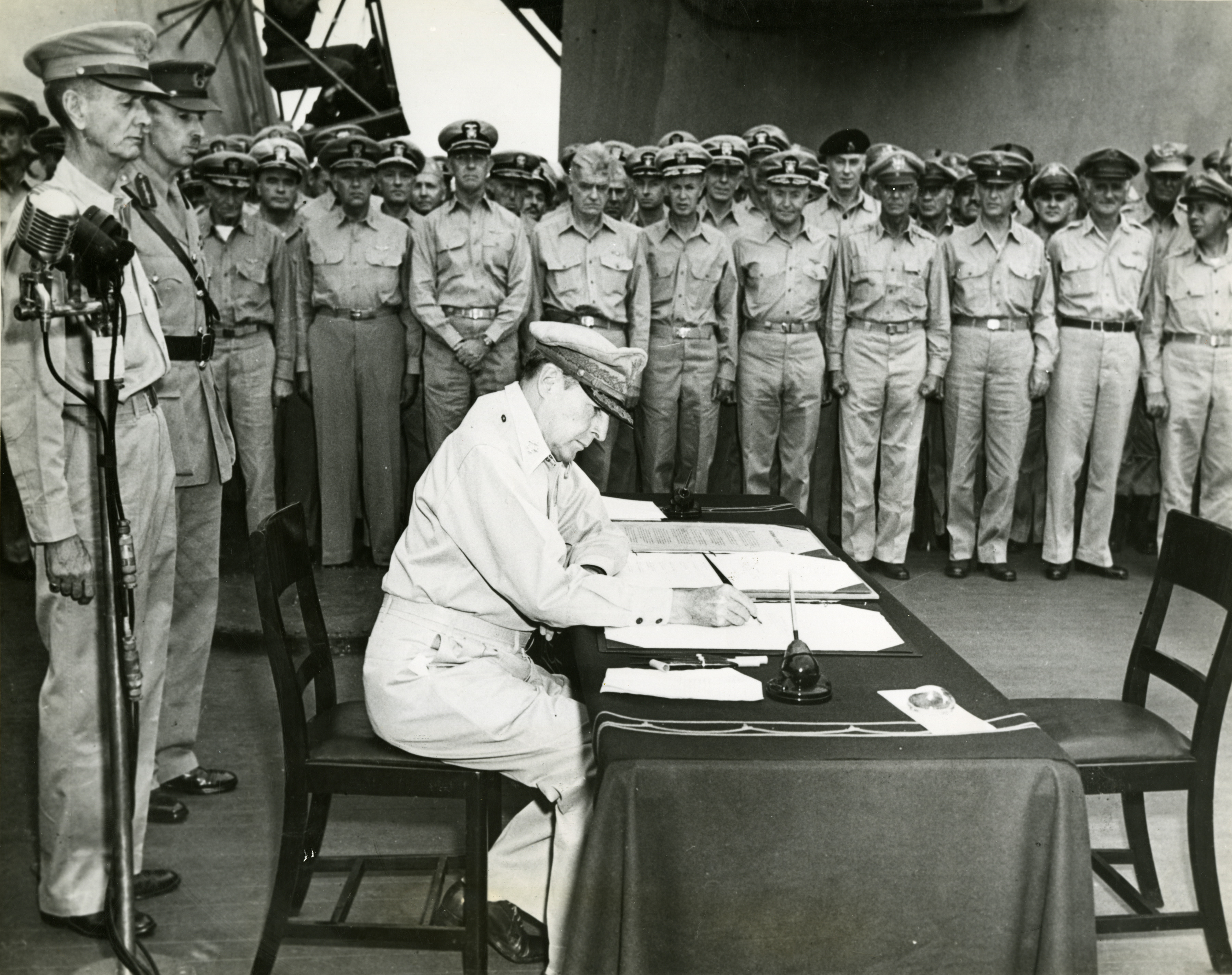
The end of the war is almost as overwhelming a topic as the war itself, as that’s obviously where we are now, albeit with the war getting farther and farther into the past. Unfortunately, the war is barely taught in schools today, at least in the United States, and the number of people who directly remember that time is rapidly dwindling.
For the average American, there was a desire to forget almost immediately after peace was declared. Bond sales plummeted, the men were coming home, as were many women because war jobs were ending, and people were focused on finding peacetime jobs, securing housing, and starting families.
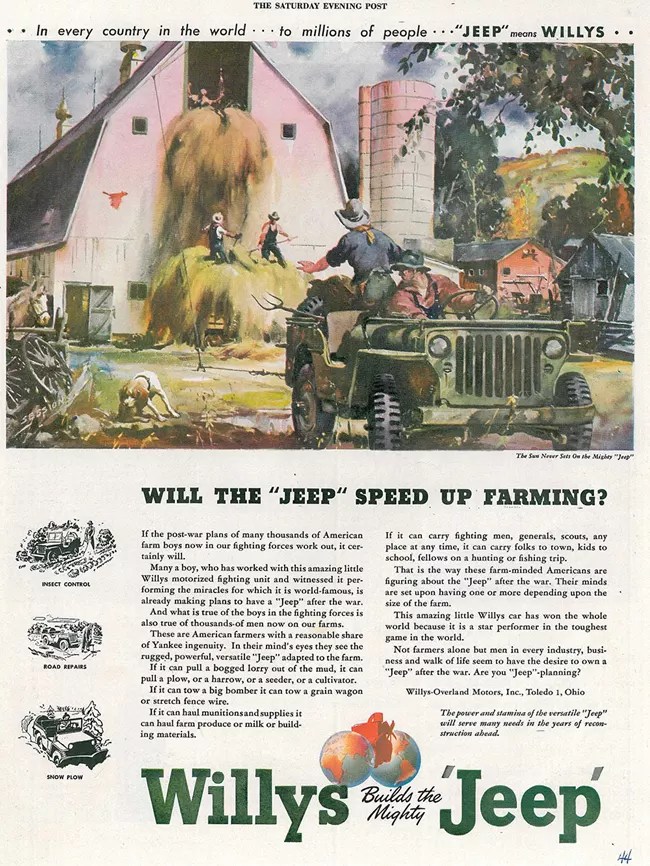
Starting over may have looked easy, but it really wasn’t, as many found they couldn’t just pick up where they left off. The place where he grew up may not have felt like home anymore, and even if a serviceman came out of his experiences relatively unscathed, family relationships may have shifted. In 1946 and 1947 both marriage and divorce rates spiked in the United States.
As we’ve talked about previously, Hollywood found it couldn’t pick up where it left off, either. Jimmy Stewart came back as a free agent, giving him more creative control over his career than ever before. Some, like Brian Keith, would enjoy greater stardom than they had known before the war. Others, like Henry Fonda, would find themselves longing to stay in the military, and there were stars who continued to serve in the reserves, Jimmy Stewart, for one.
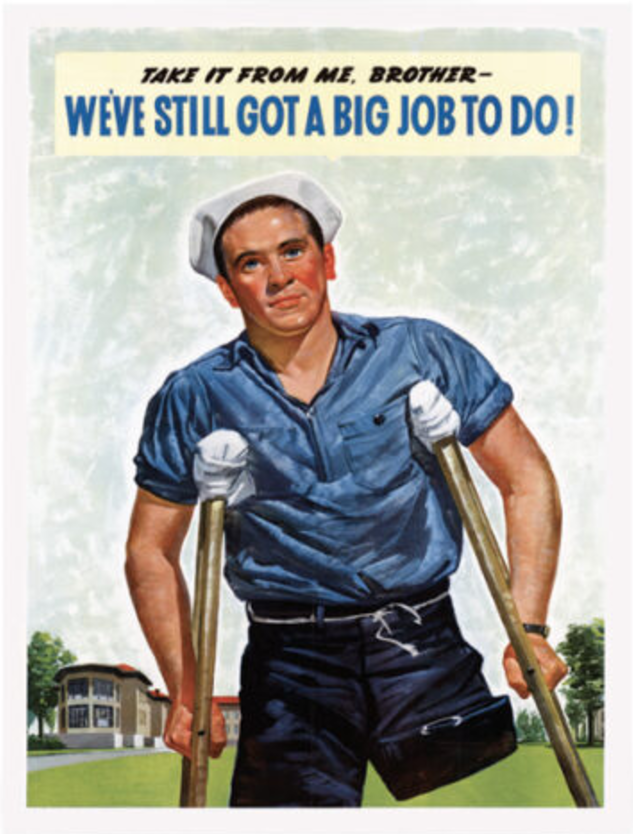
It seemed to be a consensus on the part of both Hollywood and the public that new kinds of movies were needed for the postwar era. In a rather prescient article for the April, 1946 issue of the National Board of Review Magazine, Arthur L. Mayer said:
The Hemingways and Fitzgeralds of tomorrow, as well as the Capras and the Fords, are now coming out of the ranks of the armed forces. They will want to use the picture medium to record their experiences and recreate for the entire world all that they and their comrades performed and suffered — all that they hoped would be achieved by those performances and those sufferings.
But what if old man box office tells another story?…That all they want are false glamour and superficial gaity, fairy tales empty of content, and sentimental symbols of self-indulgence? This is what the box office said in that terrible let-down into lethargy and self-complacency that followed the first World War. It might do so again. But the box office is us…A trivial people will have trivial pictures. A great people will demand and will get great pictures!
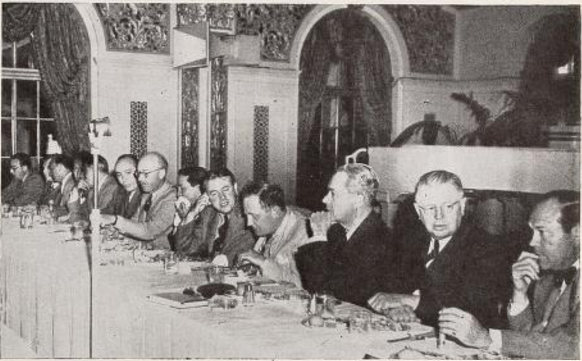
Even before the war ended there were those with an eye on the future. Hilary A. St. George Saunders, assistant librarian for the British House of Commons, when asked what form postwar movies should take, said in a 1943 press conference:
“Good Lord, I have no particular subject, or story, in mind. I’ve never made a picture. But I do know it can be done, and I think it must be done if we are to prevent the American and British peoples from drifting apart when the war’s over, as they did after the last one, whereas if we do prevent it we shall be able to perpetuate the unity of effort which is enabling us to win over our enemies.”
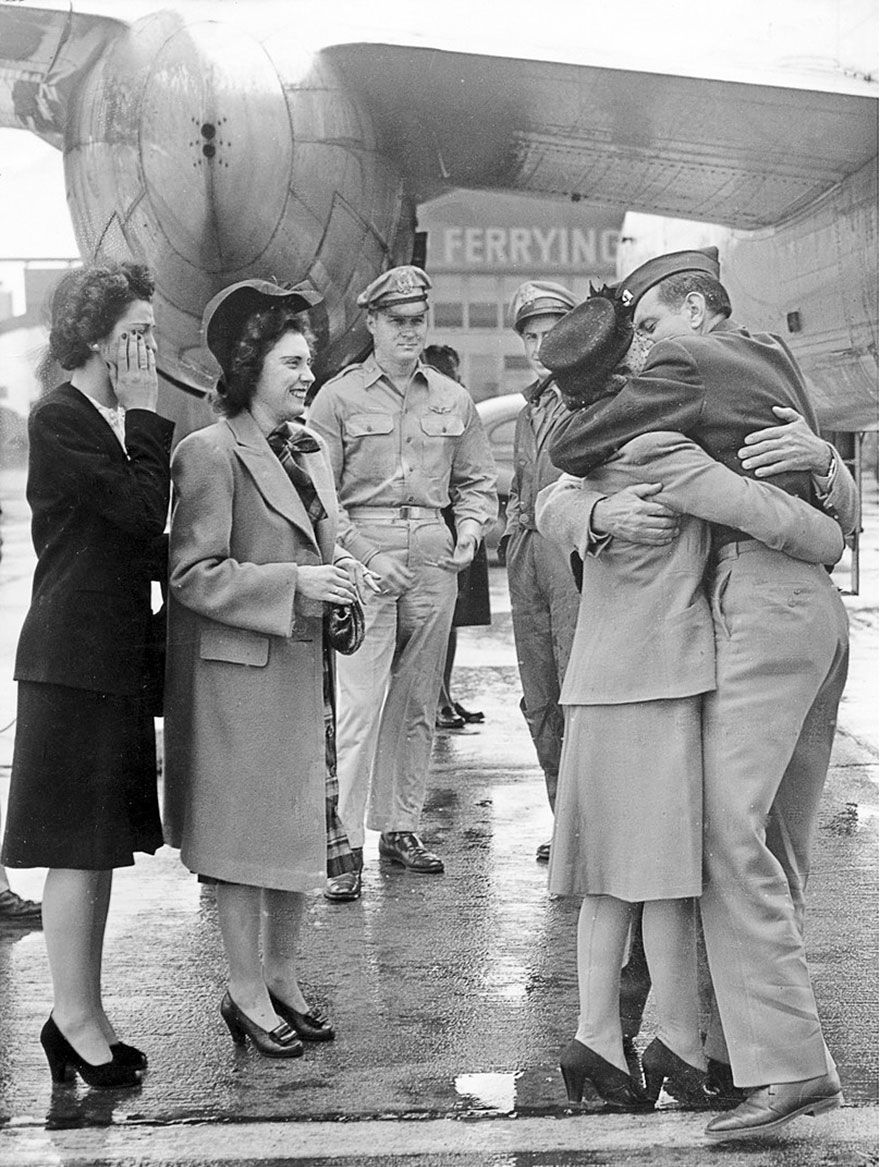
Hollywood was definitely listening in more ways than one. After the war, there was a new openness to international talents and different kinds of stories. Americans had their perspectives broadened over the past three years plus change, and the movies made following the war reflected it. There also seemed to be a desire to come to terms with the war, although it’s much too big a topic for anyone to present fully. Hindsight can be a great boon, though.
One of the first examples of this was They Were Expendable, which came out in December of 1945. A tour-de-force starring John Wayne, Robert Montgomery, Ward Bond, Donna Reed, and a host of familiar faces, this story about PT boat crews in doomed Bataan at the beginning of the war, this film features a lot of poignant moments, such as Rusty hosting a dinner party for his love interest, nurse Sandy, and the ingenuity American personnel exercised in harsh conditions. What must have been heartbreaking for audiences was being reminded of how much had been sacrificed early in the war and how dark and hopeless that time had seemed, although we put a brave face on things.
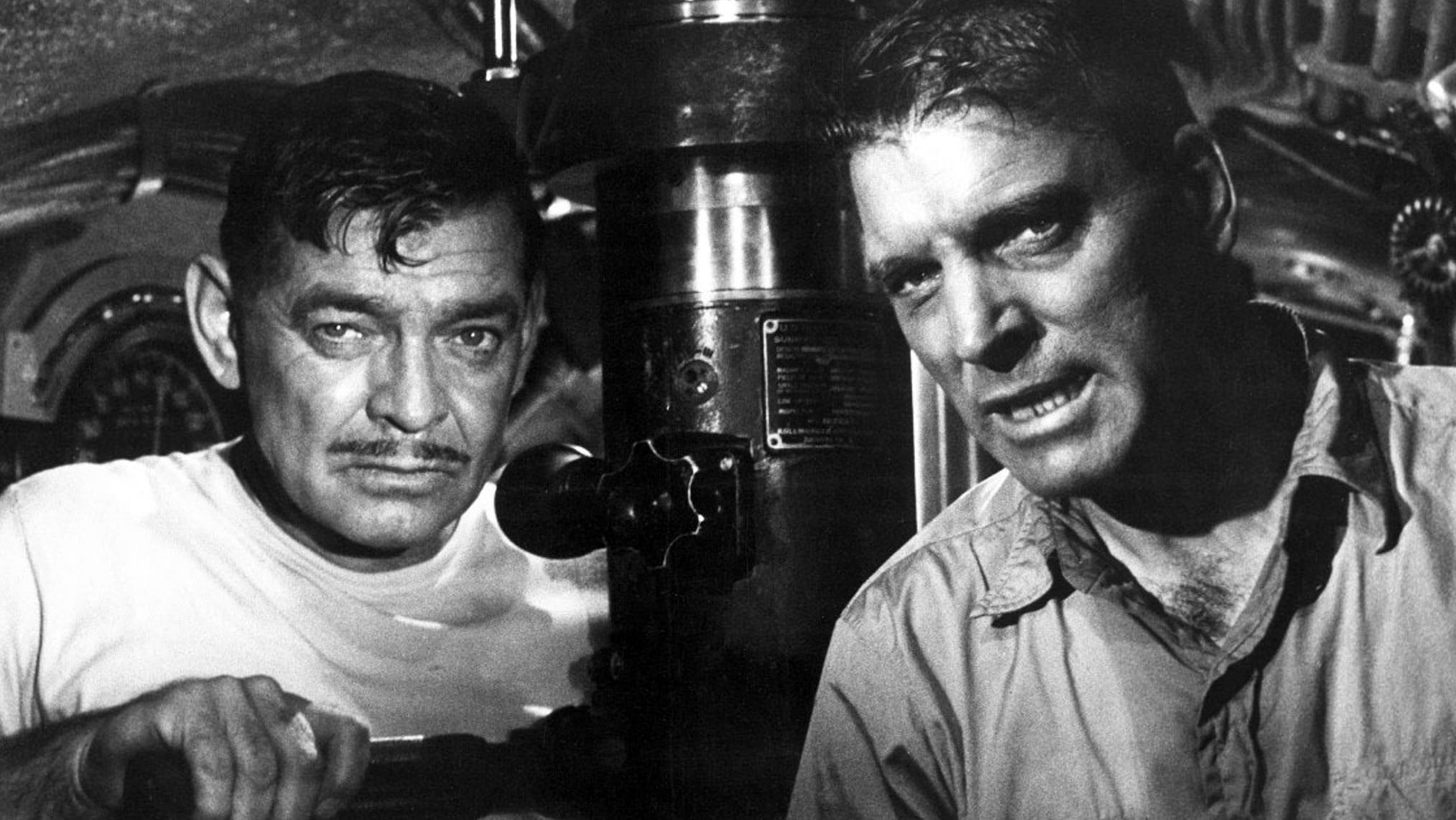
The new stories allowed older stars more breathing room as artists, as well as giving their careers new leases on life. Clark Gable may not have been able to make the lusty, starry-eyed romances he had been famous for before the war, but a movie such as 1958’s Run Silent, Run Deep, however, was a different story, as it featured Gable and Burt Lancaster, both real-life vets, as two Naval officers butting heads during a submarine tour in the Pacific.
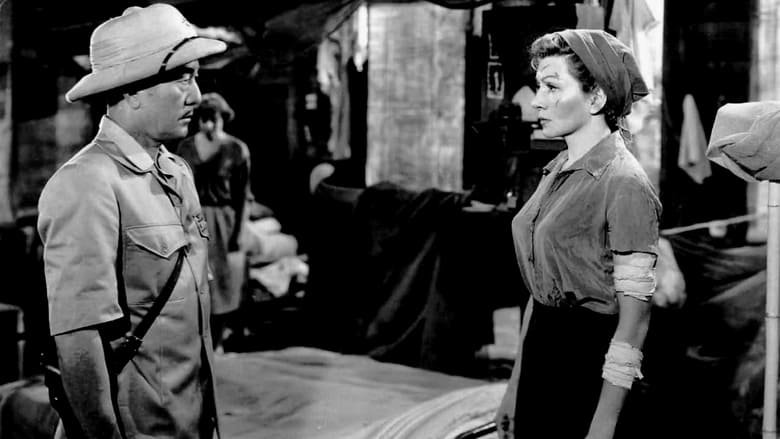
Another such movie was the compelling and harrowing 1950 Claudette Colbert vehicle, Three Came Home, which was based on Agnes Newton Keith’s account of being a prisoner of the Japanese and shuffled around from camp to camp with her son, George, not knowing if her husband, Harry, is alive or dead. It’s uncomfortably frank about Japanese treatement of prisoners, even to Claudette Colbert being tortured in a few scenes. The film is easily accessible and is well-worth a watch.
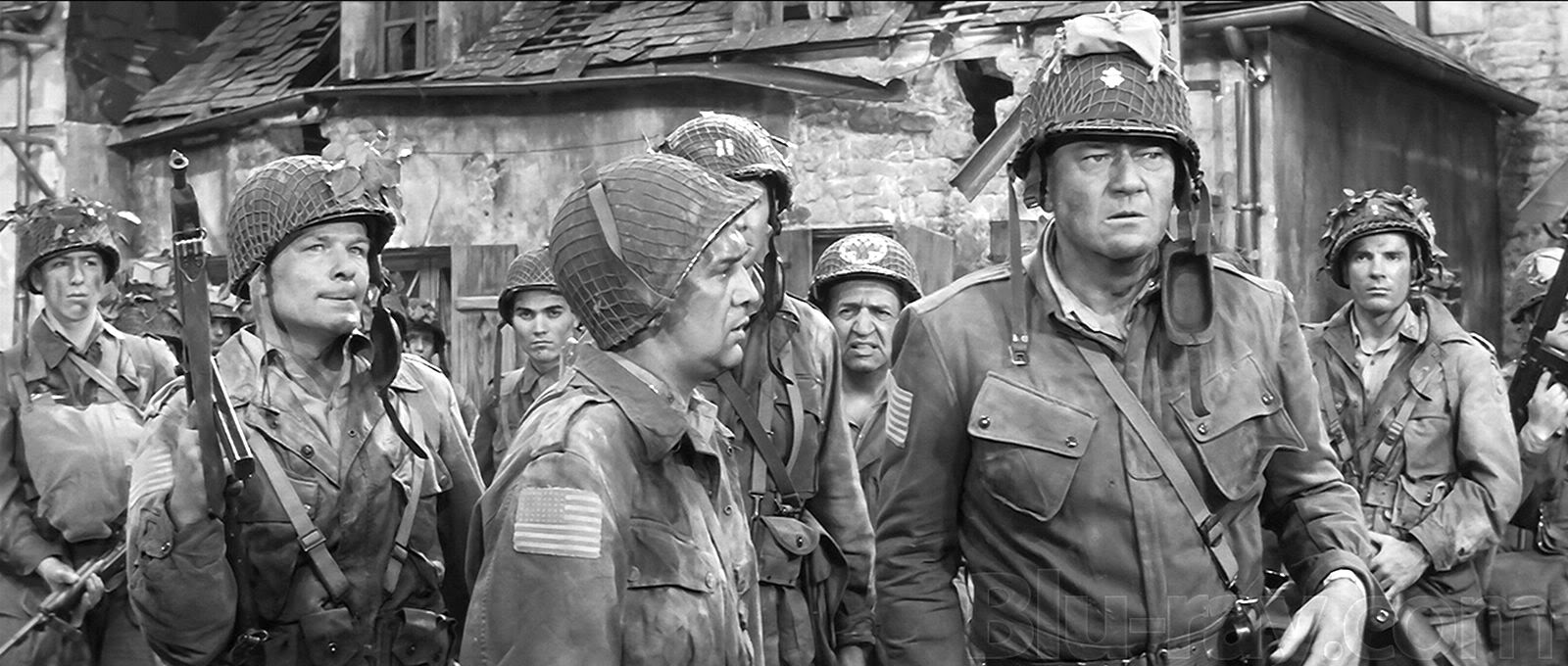
To be sure, postwar films weren’t always accurate to what had happened during the war, and my guess is that while this may have been for dramatic effect or chalked up to just plain sloppiness, information about such events as Pearl Harbor and Midway were classified for decades after the war was over. Growing up, I fondly referred to the reconnaissance fleet my adoptive grandpa flew in at Midway as the “Strawberry Fleet” because that was how the 1976 movie refers to it, when in actuality “Strawberry 5” was the specific PB-Y that spotted the approaching Japanese. Who knows why that change was made, but maybe it was for expediency.
Some mistakes are just laughable, such as in The Longest Day, which showed Americans and Germans going hand-to-hand in France before the D-day invasion started, and Feldmarschall Rommel disappearing for a full five seconds while talking about the Channel. In From Here To Eternity, Karen’s prewar look is fully in the nineteen-fifties, namely cropped hair and pencil skirts.
Yes, postwar war movies are quite the grab bag, but we’ll get into that another time.
Even though we’ve reached the end of the war, “During World War Two” isn’t finished just yet, but more on that next month. Thanks for reading, all, and see you Saturday for another post…
They Were Expendable (Blu-ray and DVD), Run Silent, Run Deep (Blu-ray and DVD), Three Came Home (DVD, Tubi, Prime, and YouTube), The Longest Day (Blu-ray and DVD) and From Here To Eternity (DVD) are available to own from Amazon.
~Purchases made via Amazon Affiliate links found on this site help support Taking Up Room at no extra cost to you.~
If you’re enjoying what you see on Taking Up Room, please subscribe to my Substack page, where you’ll find both free and paid subscriber-only reviews of mostly new and newish movies, documentaries, and shows. I publish every Wednesday and Saturday.
Bibliography
 Taking Up Room
To Hell and Back always has seemed one of the better WW2 movies for accuracy, since you know that is the real deal.
LikeLike
Such an interesting topic. M own grandfather who was in Europe on the western front did not go home until after VJ day. V-E day celebrations were short lived as he was wondering if he would be sent to the Pacific. when he did get home, he worked as a bar tender and then got into sales. I keep discovering new things all the time about my grandfather’s service and life around the end of the war- and I wonder if he felt similar to any of those movies made about returning service men. The perils of being too young to ask those questions and now I can’t!
Thank you for writing about this topic!
LikeLiked by 1 person
Thank you, Emily–glad you like it! And wow, that’s interesting. What a story he must have had! I know what you mean, too. It feels like history disappears when we lose loved ones, or at least our connections to it.
LikeLiked by 1 person